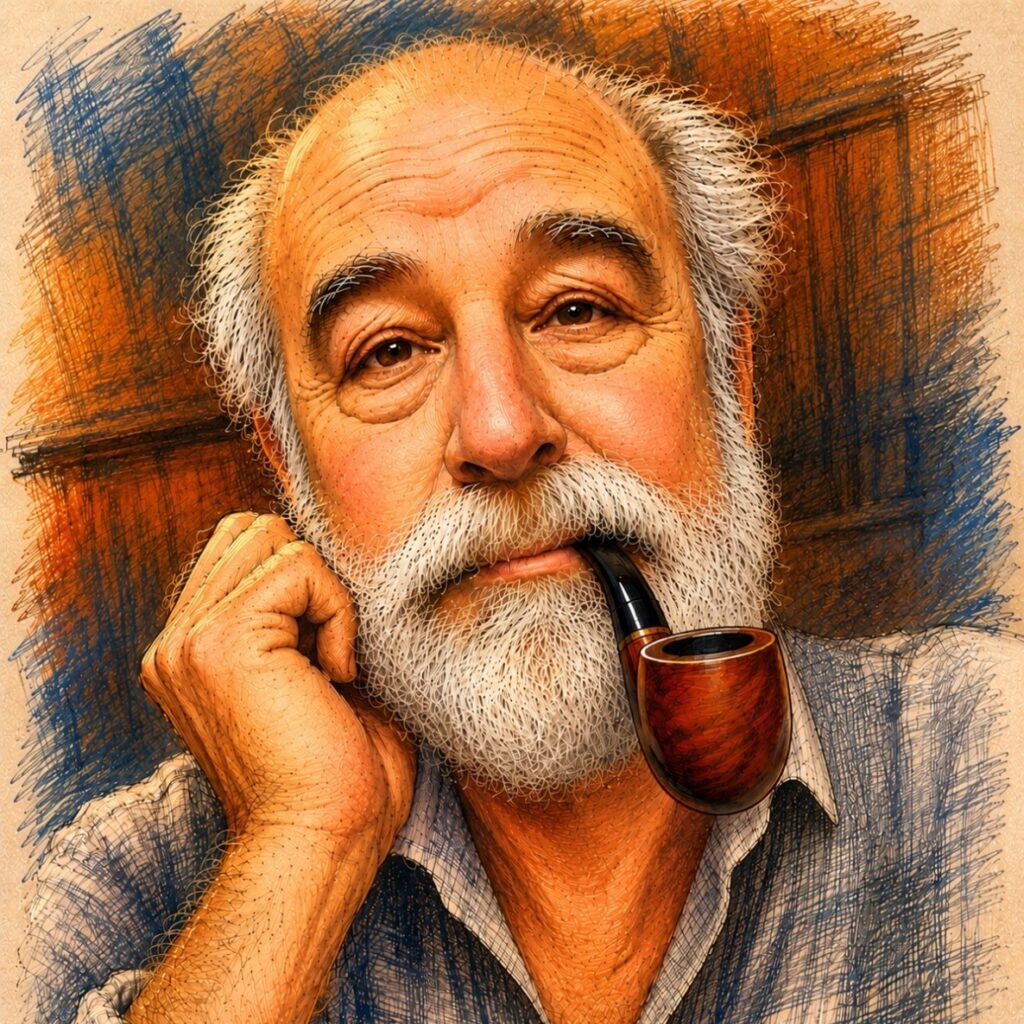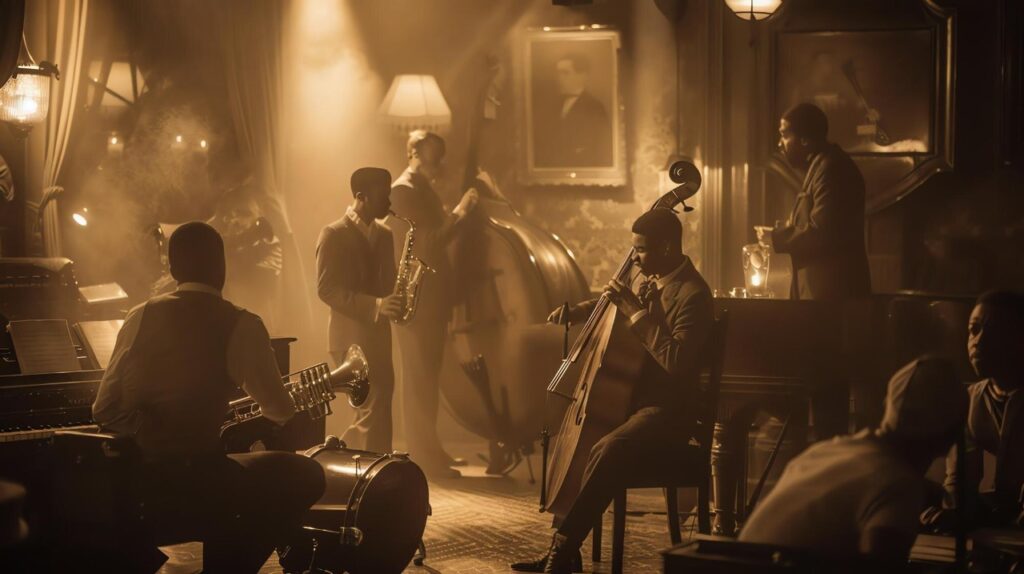
For me, Hot Jazz has always been more than music. It is movement, personality, spontaneity, and history all happening at once. When I began writing Sublime Cacophony, I knew the novel needed to capture that same feeling, the sense that life can change in an instant, just as a jazz performance can shift with a single unexpected note.
Set against the backdrop of the world’s largest Hot Jazz festival in 1975, the novel was built around the energy and atmosphere of that musical world. Festivals of that era were not simply concerts; they were gatherings of people connected by a shared passion for music, nostalgia, and discovery. Strangers met, friendships formed, and lives quietly intersected in ways that often felt accidental yet meaningful. That spirit became the emotional foundation of the story.
The Rhythm of the Characters
Jazz musicians often balance structure with improvisation, and I wanted my characters to do the same. The protagonists in Sublime Cacophony are shaped by their pasts and responsibilities, yet they are also capable of surprising choices and unexpected growth. Their relationship develops gradually, like a jazz duet finding its rhythm over time.
Creating the Atmosphere
The sights and sounds of a 1970s Hot Jazz festival influenced nearly every scene in the novel. The lively brass sections, syncopated rhythms, and vibrant energy of traditional jazz bands helped shape the atmosphere of the story. I was equally inspired by the camaraderie among musicians and fans, the sense of nostalgia that surrounded these gatherings, and the contrast between energetic performances and quieter personal moments. My goal was to make readers feel as though they were walking through the festival grounds themselves, surrounded by music, conversation, and possibility.
Music as a Storytelling Tool
Music in the novel is not just background decoration; it actively shapes the story. Improvisation reflects the unpredictability of life and relationships, while syncopation mirrors moments when characters feel emotionally offbeat or uncertain. The collaborative nature of jazz highlights connection and the ways individual lives influence one another. Even repetition in music echoes themes of memory, longing, and the persistence of the past. By weaving these ideas into the narrative, I hoped to create a reading experience that feels layered and alive, much like a jazz performance.
Why Hot Jazz Matters to Me
My lifelong love of Hot Jazz and Ragtime has always been tied to storytelling. These genres carry the voices of another era while still feeling vibrant and immediate today. They remind us that joy, heartbreak, ambition, and connection are timeless human experiences.
In Sublime Cacophony, Hot Jazz became the bridge between history and fiction, between music and emotion, and between two people whose lives unexpectedly collide. Without that music, the world of the novel simply would not exist in the same way.
A Final Note
Writing this book allowed me to combine two passions: storytelling and jazz. My hope is that readers not only enjoy the novel’s characters and plot, but also feel the pulse of the music that inspired it, the exuberance, warmth, and unpredictability that make Hot Jazz so enduringly special.redictability that make Hot Jazz so enduringly special.